
In the world of AI and Clickbait, being transparent about the people behind a company and a website is extremely important. Especially when you are asked to trust them with your functional movement and health. But how do you synthesize a career, a relationship, an idea, into a few words? Honestly, we can’t, so if you really want to know about the team behind the EEI Physical Wellness Institute, read on…
It all started when a young physical therapist who loved doing sports therapy, seriously disliked chronic anything, wanted to “fix” every patient, married someone with a chronic disease, chronic pain and a medical chart 5 inches thick (the days before digital charts) that baffled most doctors. Add in a child with a chronic condition that no one seemed to be able to diagnose, a father and father-in-law both with rare neurological diseases, Ron’s own experience with sepsis, Tracey’s ongoing and puzzling medical issues, and just the normal life stuff… they felt like they were constantly immersed in some sort of medical kerfuffle. This set them both on a road that would change how they saw, understood, and experienced medical care.
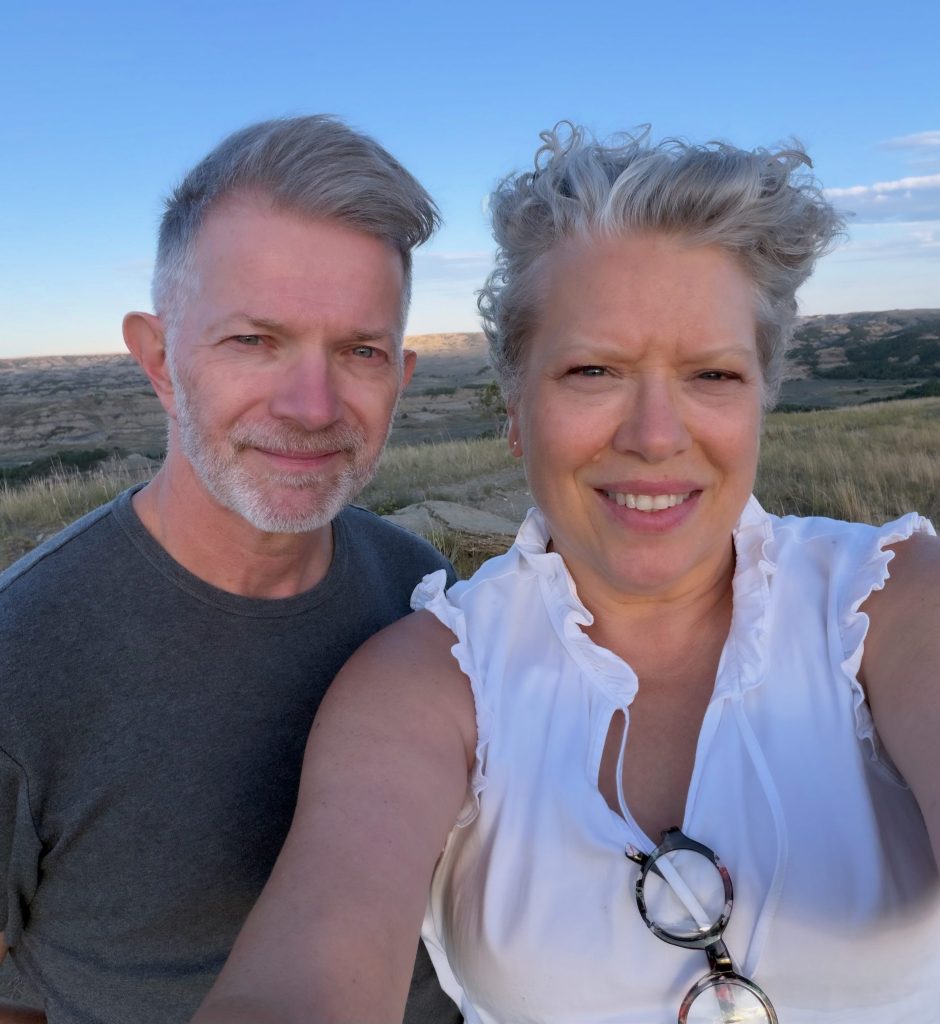
For Ron it started a journey of understanding and empathy. He began to see patients beyond “fixes”, beyond a diagnosis, and far beyond a body part. After 35+ years as a Physical Therapist, most of which were spent working with Veterans, Ron emerged as someone who realized that there is a massive missing link in US healthcare. Our healthcare is reactive not proactive. Healthcare intervenes too late, it treats diagnoses, but it doesn’t seek to prevent problems. “Efficiency” is graded higher than “Thoroughness” and no one has the time to take a careful look at the whole person. Providers are rewarded for quickly treating single problems, but they are rarely able to assess the reality of that patient’s life; how their patient is functioning.
Meanwhile, Tracey was increasingly frustrated by providers never seeing the big picture. After a round of visiting all her specialists she exasperatingly asked her favorite doctor, “So, what do I do now, host a dinner party so you can all get together and see me as a whole person? No one is telling me how all these things work together and effect each other. I’m not a bunch of body parts!” Her doctor admitted it made sense, sounded like a good idea, but would never happen. This reinforced an understanding of what medical care can and can’t actually do – they aren’t miracle workers, and the language of fierce advocacy for herself and others solidified.
The two of them kept searching for some way they could make healthcare better not only for themselves but for others around them. Tracey looked for ways to inspire those around her while constantly encouraging Ron to fight for his patients in the clinic. Ron continued to educate himself through classes, working in research, and taking the time to really connect with his patients. His new and novel approaches to many diagnoses were valued and beloved by his patients, but not necessarily by his superiors. He continued to push to get patients the care they needed that would truly make a difference in their quality of life.
And somewhere along the way they both realized that Ron wasn’t “just” a physical therapist anymore, at least not in the technical sense. It was time for a new direction. Ron’s vision of the significance of Functional Movement and Tracey’s passion for advocacy were finally able to gel into what has become EEI Physical Wellness Institute.
Ron and Tracey both acknowledge that changing a behemoth like US healthcare is almost impossible. They also acknowledge THAT their expertise is in two areas, Functional Movement and living with a chronic illness. But how a person moves, their physical capabilities, their attitude, has a massive impact on a person’s quality of life. Thus, the Functional Assessment Screening Tool (FAST) and the Risk of Disability Assessment (RODA) were born.
Their goal is to help people live their best life through fitness, exercise and movement. To help clients see limitations that could become huge problems later in life and to develop a proactive action plan. To help clients understand how to advocate for themselves when more testing or treatment is needed. To inspire each person toward the life they’ve always wanted by avoiding limitations or debility as long as possible.
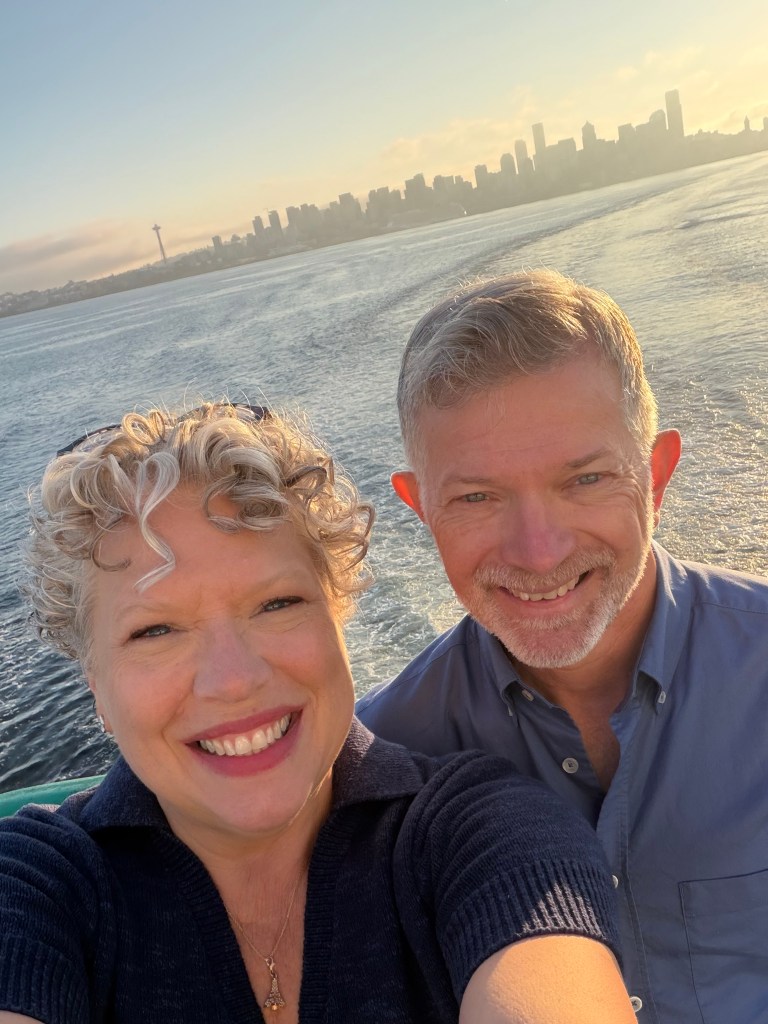
Tracey and Ron don’t just preach the functional movement-focused life. They live it every day. It hasn’t always been that way for Tracey, but after a diagnosis of cancer, followed by successful treatment, a new perspective developed. She truly understands the difficulties when it comes to embracing a movement-focused life. Her insights bring a different type of understanding and inspiration to their clients.
“I wish it wouldn’t have taken me so long, so if I can convince someone in their 40’s or 50’s to start now on their road to good health it would be MY best day. Even if someone is 80 or 90, they can still make gains in their movement. The evidence is there. Please, just move!” Says Tracey.
“There is this huge gap,” Ron says. “Some guy thinks he’s doing great because his doctor never said otherwise. Then one day this guy wakes up and realizes that he can’t climb the bleachers for his grandkid’s ballgame. I really wish that someone had talked to this guy years or even decades ago. When we encourage this guy to do new, fun and motivating things in his 40s … he lives a fun, athletic life for 25 years and by the time he’s 65, being active and fit and strong is just a normal day. When we can see our clients get older while still embracing their best, most active self, that’s the win for us.”
Nowadays if Ron and Tracey aren’t answering their phone, or an email is delayed, they are most likely out walking, strength training, or finding some other novel way to keep moving.
“The goal of movement should always be to have fun. What’s the point of life if we don’t LIVE!”

